Skip to content

Evidence

What happens with protection, and without it

Real incidents from our own case studies, plus a public example. Where a client is under NDA we have removed the names. Full details are available on request.

Under NDA

NHS · sterile services

In-cabinet active suppression

NHS sterilisation unit: two fires, two outcomes

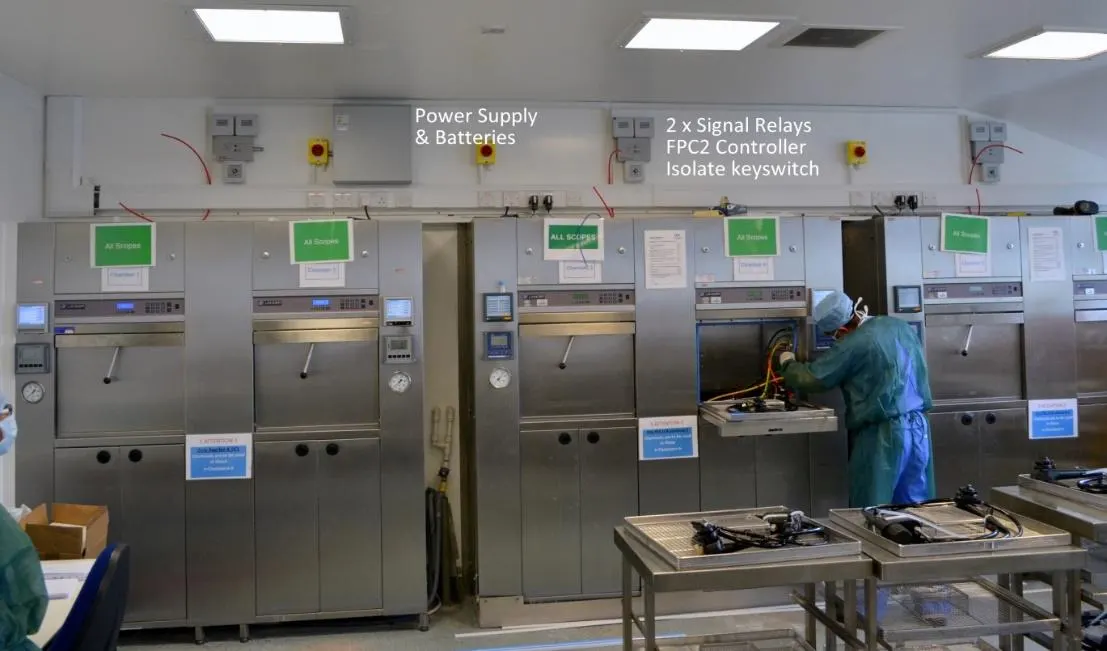
A bank of six machines on the 4th floor of an NHS hospital sterilises medical instruments at very high temperature, a service patient care depends on. A fire broke out inside one machine.

7 months

between the two fires

12 min

for the fire service to arrive, with no fire left to fight

2 days

to re-arm the system and resume service
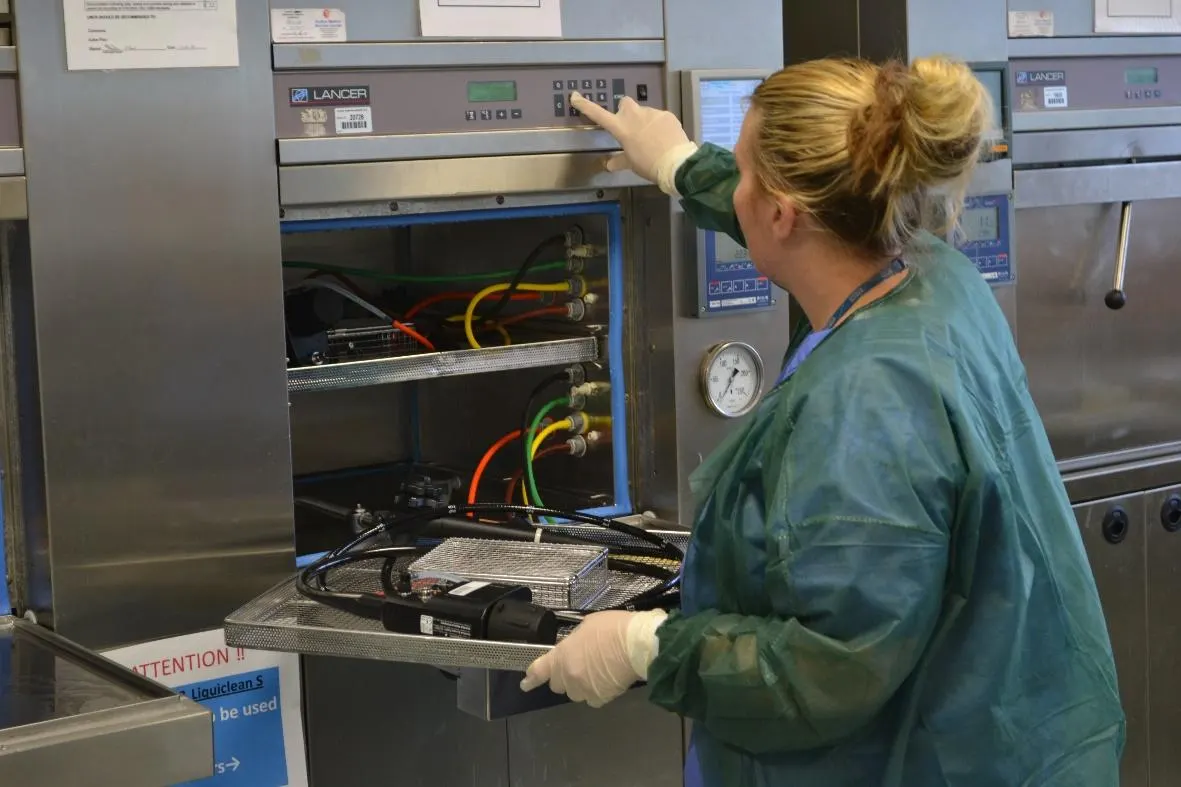
Sterile services technician loading a sterilisation machine
The sterilisation unit in normal operation.

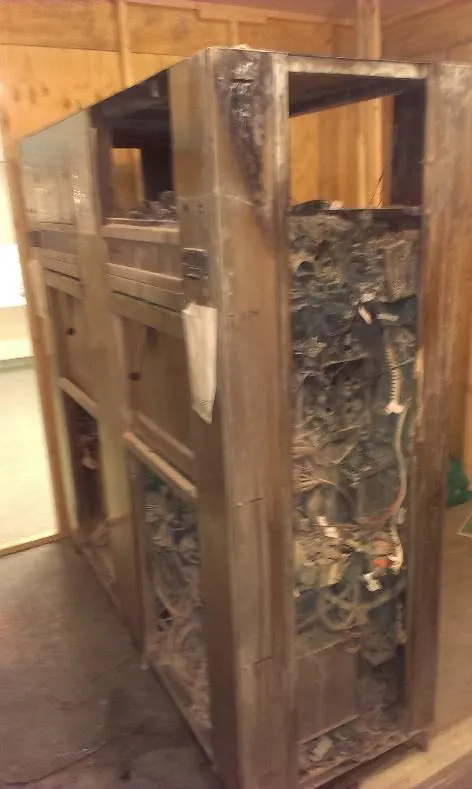
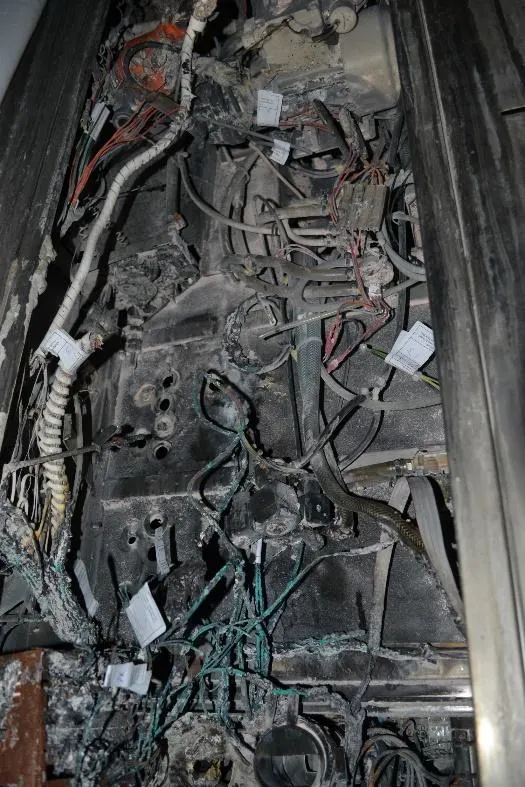
Fire 1 · unprotected

Irreparable damage

  • Staff tried portable extinguishers, without success
  • The fire service put the fire out, but too late to save the machine
  • Firefighting water spread far beyond the room
  • Affected areas needed a full sterile clean and redecoration
  • Critical patient care was seriously disrupted

The FirePro solution

Engineered in-cabinet

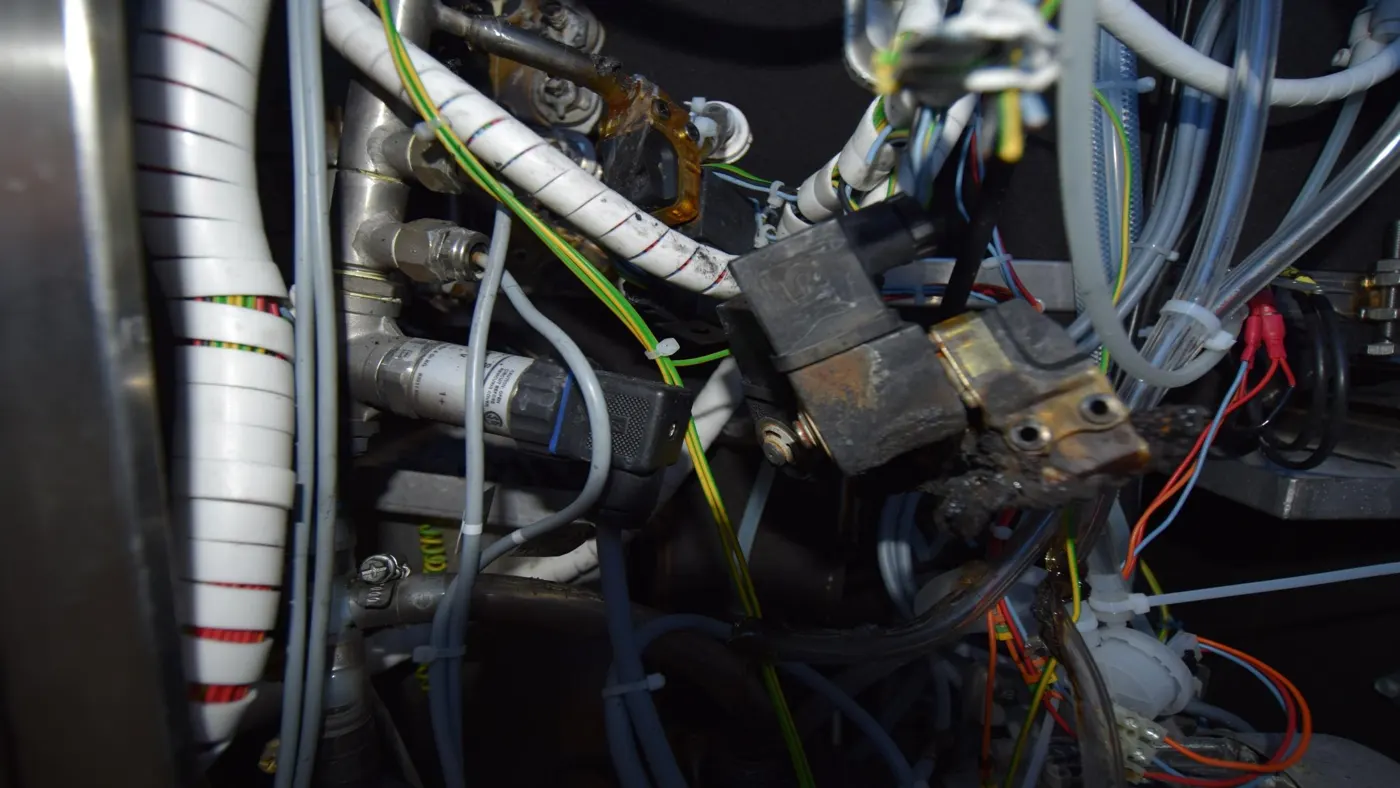
  • FirePro identified motors and solenoids as the ignition sources
  • Local FirePro control module
  • 24 V DC power supply with standby batteries
  • Linear heat detection inside the machine
  • Two FirePro condensed aerosol generators

Fire 2 · protected

No smoke. No water. No fire.

  • Suppression released inside the machine
  • Machine power supply shut off
  • Local fire doors closed and air handling stopped
  • Ventilation dampers closed
  • Fire alarm and BMS signalled

The same FirePro condensed aerosol technology protects our fire suppression charging lockers.
Under NDA

Sport & leisure

Lithium-ion · on charge

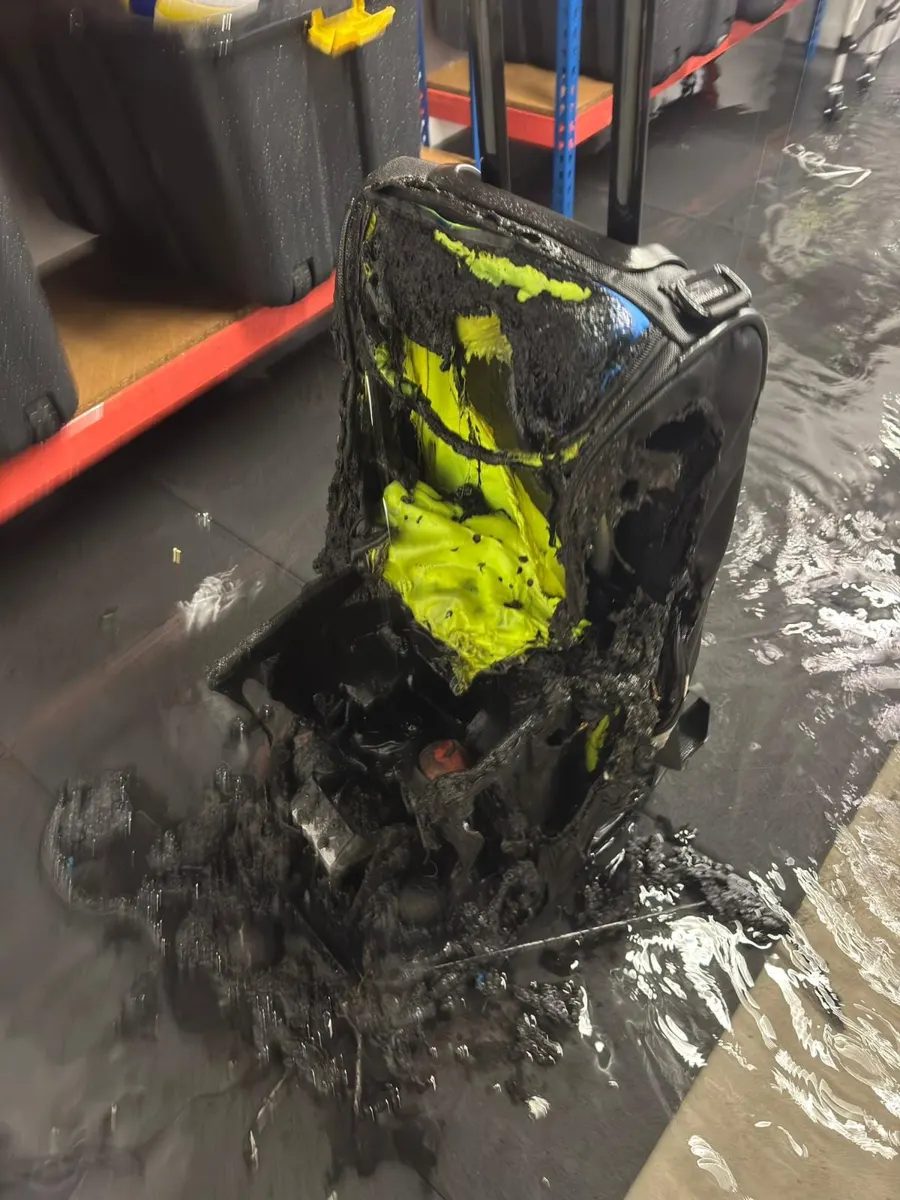
Melted tennis ball machine bag after lithium-ion fire

Tennis ball machine: £180,000 in damage

Tennis equipment was destroyed after its lithium-ion battery ignited while on charge, resulting in over £180,000 in damage and repair costs. Replacing the machine itself cost £1,200.

Once thermal runaway starts, a lithium-ion cell produces its own heat and toxic gas, and portable extinguishers do little to stop it.

How it could have been avoided

Public record

NHS · acute hospital

Electrical fire

Southampton General Hospital, February 2026

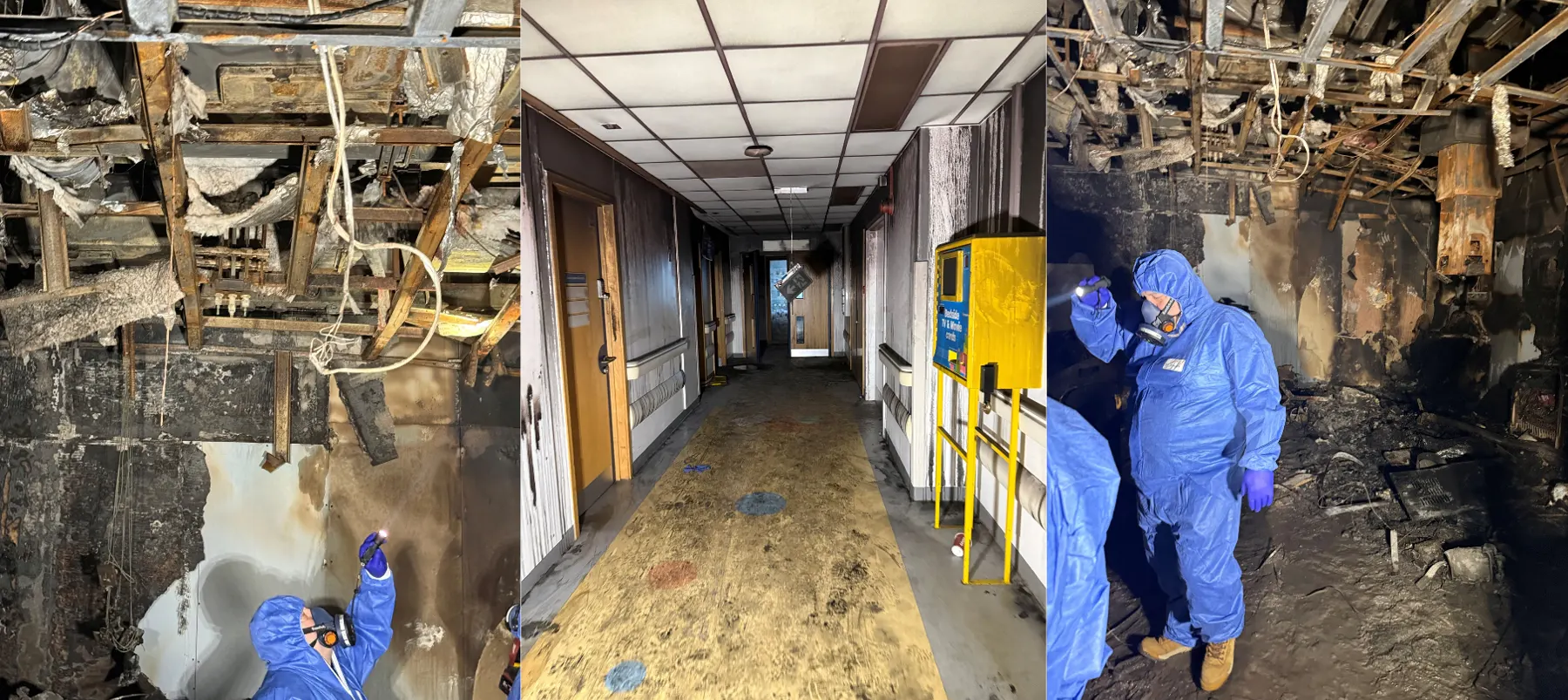
On 1 February 2026 a fire broke out in the endoscopy unit at Southampton General Hospital. The fire service confirmed the cause was electrical. University Hospital Southampton declared a major incident, which lasted nine days.

~500

patients moved to safe areas

200

bed spaces lost to fire, smoke or water damage

9 days

under major incident status

150

fewer beds than normal after 10 days

All outpatient appointments were cancelled on the day of the fire, and planned surgery was cancelled the next day. The emergency department diverted patients at first. The Trust confirmed that no patients or staff were injured. The cause was electrical, not a battery. The case shows how one equipment fire in a clinical area can disrupt an entire hospital.

Investigators in protective suits inspecting a fire-gutted hospital ceiling and smoke-stained corridor

Source: University Hospital Southampton: Major incident declared following fire. Images show post-fire inspection.

Don’t become the next case study